
Chemotherapy Treatment Cost in India
Experience world-class medical care with significantly lower costs. India is a global hub for medical treatments, offering advanced protocols and experienced specialists.
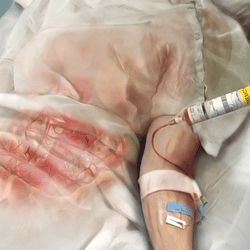
What Is the Cost of Chemotherapy in India?
India is known for offering high-quality cancer treatment at much lower prices compared to many Western countries.
On average, one cycle of chemotherapy in India costs between ?20,000 to 70,000 ($240 to $840). The exact cost depends on:
- The type of cancer
- The drugs used
- The hospital chosen
Whether targeted or advanced medicines are required
Most patients need 4 to 8 cycles, so the total chemotherapy cost usually ranges from ?1,00,000 to ?5,00,000 ($1,200 to $6,000). However, the final amount can be higher if expensive targeted therapies or biologic drugs are included.
Doctors decide the number of cycles based on:
- Cancer type and stage
- Treatment goal (curative or palliative)
- Patient’s overall health
- Response to treatment
Some commonly used standard chemotherapy drugs (like paclitaxel or cyclophosphamide) are relatively affordable. However, targeted therapies or biologic drugs such as trastuzumab or bevacizumab are significantly more expensive and can increase the total cost.



Fill in your details and our team will get back to you shortly.
What Is Chemotherapy and How Does It Work?
Chemotherapy is a treatment that uses powerful medicines to kill cancer cells. These medicines travel through the bloodstream, which allows them to reach cancer cells almost anywhere in the body. This makes chemotherapy especially useful for cancers that have spread (metastasized) or may spread.
Unlike surgery or radiation therapy, which treat a specific area, chemotherapy works throughout the whole body (systemic treatment).
Chemotherapy drugs mainly target cells that grow and divide quickly. Cancer cells usually grow much faster than normal cells, which makes them more sensitive to these medicines. However, some healthy cells in the body also divide quickly - such as cells in the hair roots, digestive system, and bone marrow. Because of this, chemotherapy can cause side effects like hair loss, nausea, fatigue, and low blood counts.
How Is Chemotherapy Used?
Chemotherapy can be given in different situations:
- Before surgery (neoadjuvant therapy): To shrink a tumor and make it easier to remove.
- After surgery (adjuvant therapy): To destroy any remaining cancer cells and reduce the risk of cancer coming back.
- As the main treatment: For cancers that cannot be removed with surgery.
- With other treatments: It may be combined with radiation therapy, targeted therapy, immunotherapy, or hormone therapy for better results.
Each chemotherapy plan is personalized. Doctors choose the type of drugs, the dose, and the number of treatment cycles based on:
- The type of cancer
- The stage (how advanced it is)
- The patient’s age
- Overall health
- Treatment goals (curative or palliative)
This approach helps give the best possible results while keeping side effects manageable.
Different Types of Chemotherapy
Chemotherapy is not the same for every patient. Different drugs work in different ways.
1. Based on How the Drugs Work
- Alkylating Agents - These drugs damage the DNA of cancer cells so they cannot multiply. They are commonly used for blood cancers (like leukemia and lymphoma) and some solid tumors.
- Antimetabolites - These drugs act like normal substances that cells need to grow. Cancer cells absorb them by mistake, and this blocks their growth. They are often used for breast, colon, pancreatic, and other cancers.
- Anti-Tumor Antibiotics - Despite the name, these are not regular antibiotics. They damage the DNA of cancer cells and stop them from dividing. They are used in both blood cancers and solid tumors.
- Mitotic Inhibitors (Plant-Based Drugs) - These medicines are originally derived from plants. They stop cancer cells from dividing by blocking cell division. They are commonly used in breast and lung cancers.
- Topoisomerase Inhibitors - These drugs prevent cancer cells from repairing their DNA, which causes the cells to die. They are used in certain leukemias, ovarian cancer, and lung cancers.
2. Based on How Chemotherapy Is Given
- Intravenous (IV) Chemotherapy - This is the most common method. The drug is given directly into a vein through a drip, and it circulates throughout the body.
- Oral Chemotherapy - These are pills or capsules taken by mouth. Patients can often take them at home but must follow strict medical guidance.
- Injection (Intramuscular or Subcutaneous) - Some chemotherapy drugs are given as injections into a muscle or under the skin.
- Topical Chemotherapy - In rare cases, chemotherapy creams are applied directly to the skin for certain early-stage skin cancers.
Oncologists carefully choose the right drug or combination of drugs based on the patient’s condition and treatment goals.
The Chemotherapy Process
Starting chemotherapy can feel overwhelming, especially for first-time patients. Knowing what to expect can reduce anxiety and help patients feel more prepared.
1. Initial Consultation and Evaluation
Treatment begins with a consultation with a medical oncologist. The doctor reviews:
- Biopsy reports
- Imaging scans (CT, MRI, PET)
- Blood tests
- Overall health condition
Based on this information, a personalized treatment plan is created.
2. Treatment Planning
Once chemotherapy is recommended, the doctor decides:
- Which drugs will be used
- How many treatment cycles are required
- The gap between cycles (usually 2–3 weeks to allow the body to recover)
- Supportive medicines to reduce side effects (for nausea, infection prevention, etc.)
Patients are usually guided by nurses or care coordinators who explain the schedule, precautions, diet advice, and symptoms to watch for.
3. During a Chemotherapy Session
Chemotherapy is often given in a day-care treatment center.
For IV chemotherapy:
- A small tube (cannula) or a chemo port is placed in a vein.
- The medicine is slowly infused over 1 to several hours, depending on the drug.
- Nurses monitor the patient for side effects like nausea or allergic reactions.
- Most patients go home the same day unless hospitalization is required.
For oral chemotherapy, patients receive medication along with clear instructions about dosage and timing.
4. After Each Cycle
After every cycle, doctors monitor:
- Blood counts (to check immunity and anemia)
- Liver and kidney function
- Side effects
- Treatment response
Scans may be repeated after a few cycles to see if the tumor is shrinking or the disease is controlled.
If needed, the doctor may adjust the dose or change the treatment based on how the patient’s body responds.
Chemotherapy is a cancer treatment that uses drugs to kill cancer cells, shrink tumors, and prevent the spread of the disease.
Chemotherapy is a cancer treatment that uses drugs to kill cancer cells, shrink tumors, and prevent the spread of the disease.
Chemotherapy is a cancer treatment that uses drugs to kill cancer cells, shrink tumors, and prevent the spread of the disease.
